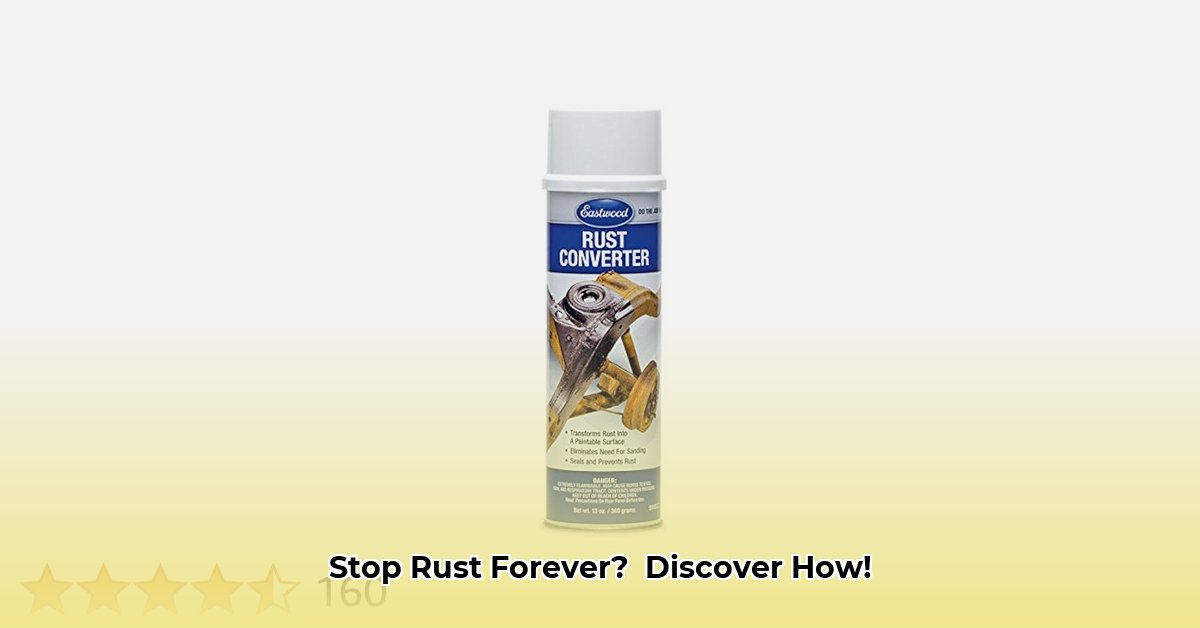
Assessing the Damage: How Bad is the Rust?
Before you grab a rust converter from Tractor Supply, you need to assess the damage. Is it surface rust (a light, reddish-brown coating) or deeper pitting corrosion? Surface rust is like a scratch; deep rust is a gaping wound. This assessment dictates your approach. A wire brush might suffice for surface rust, but deep rust needs more aggressive treatment. Carefully examine your equipment. Has the rust simply discolored the surface, or has it penetrated and weakened the metal? This will determine the best course of action. For additional equipment protection, consider protective caps.
Mechanical Cleaning: Prep Work for Rust Removal
Mechanical cleaning is your first step. It’s like prepping the battlefield before applying the rust converter. This removes loose rust, creating a clean surface for better penetration of the treatment. Tools include wire brushes (for light rust), needle scalers (for heavier corrosion), and even sandpaper. For large areas, consider a power washer, but avoid high pressure that could damage the metal.
Safety First! Always wear safety glasses, gloves, and a dust mask, especially when using abrasive tools to prevent inhaling rust particles. Remember to protect your lungs and eyes from particle inhalation.
Step-by-Step Mechanical Cleaning:
- Wire Brush: Begin by removing loose rust and debris with a wire brush. Get into every nook and cranny.
- Needle Scaler: For persistent rust, use a needle scaler to carefully chip away at the corrosion.
- Thorough Cleaning: Once the bulk of the rust is removed, clean the surface thoroughly with a wire brush, and/or pressure washer (low pressure). A clean, bare metal surface is essential for optimal rust converter performance.
Applying the Rust Converter: The Chemical Approach
Now for the chemical treatment! Tractor Supply offers various rust converters. The two main types are phosphoric acid-based converters and newer alternatives like Evaporust.
Phosphoric Acid-Based Converters: These are effective, inexpensive, and widely available. They convert rust into a stable phosphate layer, which provides an excellent base for paint. However, these require careful handling due to the acid. Always check and follow the manufacturer’s instructions.
Newer Alternatives (e.g., Evaporust): These are often water-based, safer, and more environmentally friendly and better for light surface rust. They're typically easier to use, but might be less effective on deep rust.
Applying the Converter (Regardless of Type):
- Preparation: Ensure the surface is clean and dry.
- Application: Apply the converter following the manufacturer's instructions. Brushing is common, but immersion works better for small parts.
- Drying Time: Allow the converter to dry completely (usually 24-48 hours). Longer drying is better for full effectiveness. This ensures the rust conversion process is completed.
- Inspection: After drying, inspect the area. Reapply if necessary.
Safety Precautions:
- Always wear appropriate gloves and eye protection.
- Work in a well-ventilated area.
- Dispose of leftover converter properly according to the manufacturer's instructions.
Do you know how much time and money you could save by preventing rust damage? Regular maintenance, starting with this process, is a considerable cost saver.
Protective Coating: Sealing the Deal
The rust converter creates a stable base, but a protective topcoat is essential to prevent future rust. Choose a high-quality, rust-resistant paint appropriate for farm equipment.
Applying the Protective Coating:
- Dry Surface: Make sure the converted surface is completely dry before painting.
- Even Coats: Apply thin, even coats of paint, allowing each coat to dry completely before applying the next. Multiple thin coats provide better protection than one thick coat.
- Multiple Coats: Aim for at least two coats of paint for optimal protection.
Preventative Maintenance: Long-Term Rust Prevention
Preventing rust is far easier than removing it. Here are some preventative maintenance tips:
- Storage: Store your equipment under cover, away from moisture and direct sunlight.
- Cleaning: Regularly clean your equipment, removing mud, dirt, and other debris.
- Lubrication: Lubricate moving parts to prevent corrosion.
Choosing the Right Rust Converter: A Quick Comparison
| Converter Type | Rust Severity | Effectiveness | Ease of Use | Safety Precautions | Cost |
|---|---|---|---|---|---|
| Phosphoric Acid-Based | Heavy, Light | High | Medium | Gloves, eye protection, ventilation | Low |
| Water-Based (e.g., Evaporust) | Light | Medium | High | Minimal | Medium to High |
By following these steps and choosing the right rust converter from Tractor Supply, you'll keep your equipment in top condition for years to come. Remember, proactive rust management is invaluable for extending the lifespan of your valuable equipment.